
Chronic pain is often invisible, but its effects can reach into work, relationships, household responsibilities and almost every part of daily life.

National Pain Week runs from 26 to 31 July 2026, raising awareness of the many ways chronic pain can affect a person’s health, relationships, work and everyday life.
Chronic pain is generally defined as pain that continues for at least three months or lasts beyond the expected healing time. It may be connected to an injury, illness or health condition, but sometimes there is no clear or easily explained cause.
A major PainAustralia report estimated that 3.24 million Australians were living with chronic pain in 2018, with more than two-thirds of working age. It projected that this number could reach 5.23 million by 2050. Chronic pain becomes more common with age, but it is not only an older person’s issue.
What is always clear is that chronic pain is real.
For many people, it is not something that appears briefly and then politely leaves. It can influence how they sleep, move, think, work, socialise and manage ordinary responsibilities that others barely notice.

Chronic Pain Is More Than a Physical Symptom
Pain may be felt in the body, but its effects often spread into almost every part of life.
A person living with chronic pain may need to carefully manage their energy, appointments, medication, household tasks and recovery time. Plans may change without warning. A flare-up can turn an otherwise manageable day into one where preparing a meal, driving, concentrating or even holding a conversation becomes difficult.
This does not mean the person is unreliable, unwilling or not trying hard enough.
It means their capacity can change from one hour or day to the next.
Chronic pain can also be difficult for other people to understand because it is often invisible. There may be no cast, bandage or obvious sign showing how much effort it took for someone to get dressed, attend an appointment or simply remain present.
National Pain Week is an important reminder that people should not have to continually prove that their pain exists before they are believed or supported.

The Hidden Work of Managing Chronic Pain
Living with chronic pain can involve a considerable amount of unseen organisation.
There may be different doctors, specialists, allied health professionals, prescriptions, treatment plans and appointment schedules to manage. A person may also need to keep track of what improves or aggravates symptoms, previous treatments, medication reactions and changes in their condition over time.
Then there is everything else that still needs managing: children, pets, meals, bills, transport, work, school commitments and household responsibilities.
Pain does not pause the electricity bill, feed the dog or remember the next specialist appointment. Life continues demanding attention, apparently unaware that the person managing it may already be running on empty.
When pain levels increase, trying to remember and explain all this information can become overwhelming.
Clear, current and accessible information can make it easier for family members, carers and health professionals to provide appropriate support.
Preparing for Difficult Days
A practical care continuity plan can reduce some of the pressure during a flare-up, medical appointment or unexpected hospital visit.
Useful information may include:
- current medicines, dosages and allergies
- diagnosed conditions and relevant medical history
- doctors, specialists, pharmacy and emergency contacts
- upcoming appointments and treatment schedules
- care preferences and communication needs
- symptoms or changes that may require medical attention
- a record of flare-ups and what has helped in the past
- information about children, pets or people who rely on you
- essential household routines and responsibilities
- regular bills and service providers
- the names of trusted people who can step in and help
This is not about expecting the worst.
It is about recognising that difficult days happen and making those days easier to manage.
Even a simple, up-to-date record can prevent someone from having to reconstruct important information while they are unwell, exhausted or in pain.

Keeping Track of Symptoms and Treatment
A healthcare appointment often provides only a brief snapshot of what has been happening.
Chronic pain is lived in the hours, days and weeks between appointments. That is often where useful information is forgotten.
Keeping a written record may help identify patterns that can be discussed with healthcare providers, including:
- when symptoms became worse or improved
- possible triggers
- changes in sleep, movement or daily capacity
- new medicines or dosage changes
- side effects or reactions
- treatments that helped or did not help
- questions to raise at the next appointment
Instead of trying to remember everything during a short consultation, the person has a clear record to refer to.
This does not replace professional medical advice or clinical records. It provides personal context about what has been happening between appointments, in the person’s own words.

How Family and Friends Can Offer Meaningful Support
Support does not always require a dramatic gesture. Often, practical and respectful help matters most.
Listen without immediately offering solutions. Believe the person when they explain what they are experiencing. Ask what would actually help rather than deciding for them.
That might mean preparing a meal, collecting a prescription, driving someone to an appointment, helping with children or pets, or taking over one routine task during a difficult week.
It is also important not to confuse encouragement with pressure.
A person managing chronic pain usually understands their body and limitations far better than an observer does. Comments such as “you just need to push through it” or “you looked fine yesterday” can dismiss the reality that symptoms and capacity may fluctuate.
Good support helps someone retain control over their life.
It does not take control away from them.
When Someone Needs to Step In
A severe flare-up, hospital admission or change in treatment may temporarily prevent someone from managing their usual responsibilities.
A trusted person may need to know:
- who to contact
- which appointments are coming up
- what medicines are being taken
- what children or pets need
- which bills or services require attention
- what the person wants communicated to family or providers
However, helping someone does not mean they need access to every password, account or private document.
Where appropriate authority has been given, a trusted person may be able to contact a service provider, request additional time to pay a bill, arrange a payment or explain that the account holder is temporarily unwell.
Organised information allows support to be practical and immediate while still respecting privacy and personal control.
Where Health Preparedness and End-of-Life Planning Meet
Chronic pain should not be carelessly associated with dying, and it is not the same thing as end-of-life planning.
The connection is practical rather than medical.
Both health event preparedness and end-of-life planning ask an important question:
Could the people supporting you find the information they need if you were temporarily or permanently unable to explain or manage everything yourself?
A person may need help during surgery, treatment, a severe flare-up, an accident or an unexpected hospital admission. They may fully recover and return to their usual responsibilities, but clear information can help keep life running while they are unable to manage it alone.
This is why organising personal, medical and household information can benefit people at every stage of adult life, not only during an end-of-life situation.
How the Health Event Kit Can Help
The Health Event Preparedness Kit was created for accidents, surgery, treatment cycles, flare-ups, sudden illness and recovery.
It brings important health and household information together in one place so the person, their family or a trusted carer does not have to rebuild everything from memory during a difficult time.
Each family member can have a Health Profile recording key details such as conditions, medicines, allergies, healthcare providers and important notes.
The Event & Progress section provides space to record appointments, treatment information, new medicines, questions for healthcare providers, care notes and ongoing changes.
The Household Affairs section records essential bills, services, responsibilities and provider information.
The aim is not to document every moment of someone’s life.
It is to ensure that the most important information can be found when time, energy and clear thinking may be in short supply.

A Standalone Option for Tracking a Health Event
Not everyone needs a complete Health Event Kit or household planning system.
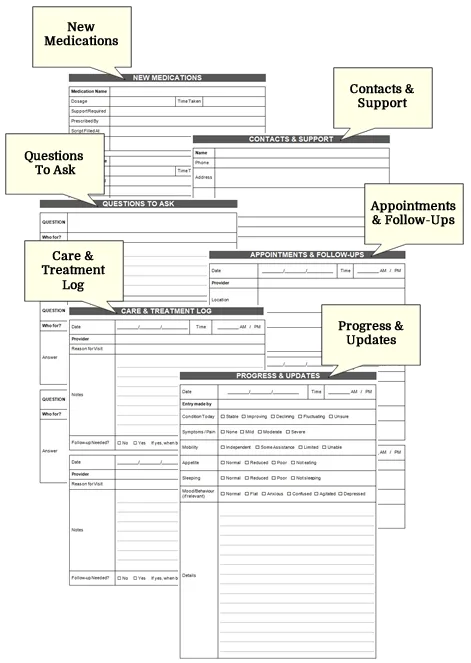
The Event Tracking Module provides the Event & Progress pages as a standalone option for people who mainly want to record a diagnosis, treatment cycle, chronic pain flare-up or other health event.
It includes sections for:
- event details
- new medicines
- contacts and support
- questions to ask
- appointments and follow-ups
- care and treatment notes
- progress and updates
It can be used on its own, added to an existing end-of-life planning handbook or used alongside a Health Event Kit when more than one health event needs to be tracked.
Awareness Must Lead to Understanding
National Pain Week gives Australians an opportunity to learn more about chronic pain and listen to people with lived experience.
Awareness matters, but understanding matters more.
People living with chronic pain deserve to be believed, included in decisions about their care and supported in ways that respect their independence.
For those living with pain, organising important information can provide one less burden to carry.
For family members and carers, it can replace uncertainty with clear guidance.
For healthcare providers, a personal record may provide useful context about what has happened between appointments.
Pain may be part of someone’s life, but it should not be allowed to erase their voice, dignity or ability to shape how they are supported.
Prepare the Information That Helps Others Help You
The Handbook of Your Life system helps individuals and families organise important personal, health, household and practical information in one central place.
The Health Event Preparedness Kit brings Health Profiles, care continuity planning, household information and Event & Progress tracking together in one printed handbook.
For people who only need the tracking section, the Event Tracking Module provides a practical standalone option.
Both resources complement end-of-life planning while serving a different immediate purpose: helping people manage a health event, communicate clearly and keep everyday life running during treatment, flare-ups and recovery.
Important Information
This article is provided for general information and educational purposes only. It does not constitute legal, financial, medical or other professional advice.
Information, statistics, legislation and external resources may change after publication. Readers are encouraged to verify information with current, authoritative sources, conduct their own research and seek qualified professional advice where appropriate.