
Emergency Planning: Why One Size Doesn’t Fit All
The power goes out during a summer storm. One household reaches for torches and waits for the lights to return. In another, the outage interrupts the charging of essential equipment, affects refrigerated medication or leaves someone unable to contact their usual support person.
The emergency is the same. What people need to manage it is not.
That is the thinking behind Queensland Disability Action Week’s, 2026 theme “Ready together: Preparing for every need, in every emergency”, held from 22 to 29 November. It is a reminder that emergency planning works best when people with disability are involved in deciding what will work for them — before an unexpected event makes those decisions urgent.
The disruption may be more than the storm
A flood warning might be available on a phone, but not in a format everyone can access. An evacuation centre may have room for people but not the bathroom facilities, transport arrangements or equipment a particular person requires. A regular support worker might be unable to attend because the roads are closed.
Some people with disability manage their lives without any personal assistance. Others rely on a mix of family, paid supports, technology or services. A person may be independent in many parts of everyday life and need assistance with only one or two tasks.
That variation is why a generic household emergency checklist can only be a starting point. A useful plan must reflect the person, their environment, their preferred way of communicating and the support arrangements they actually use.
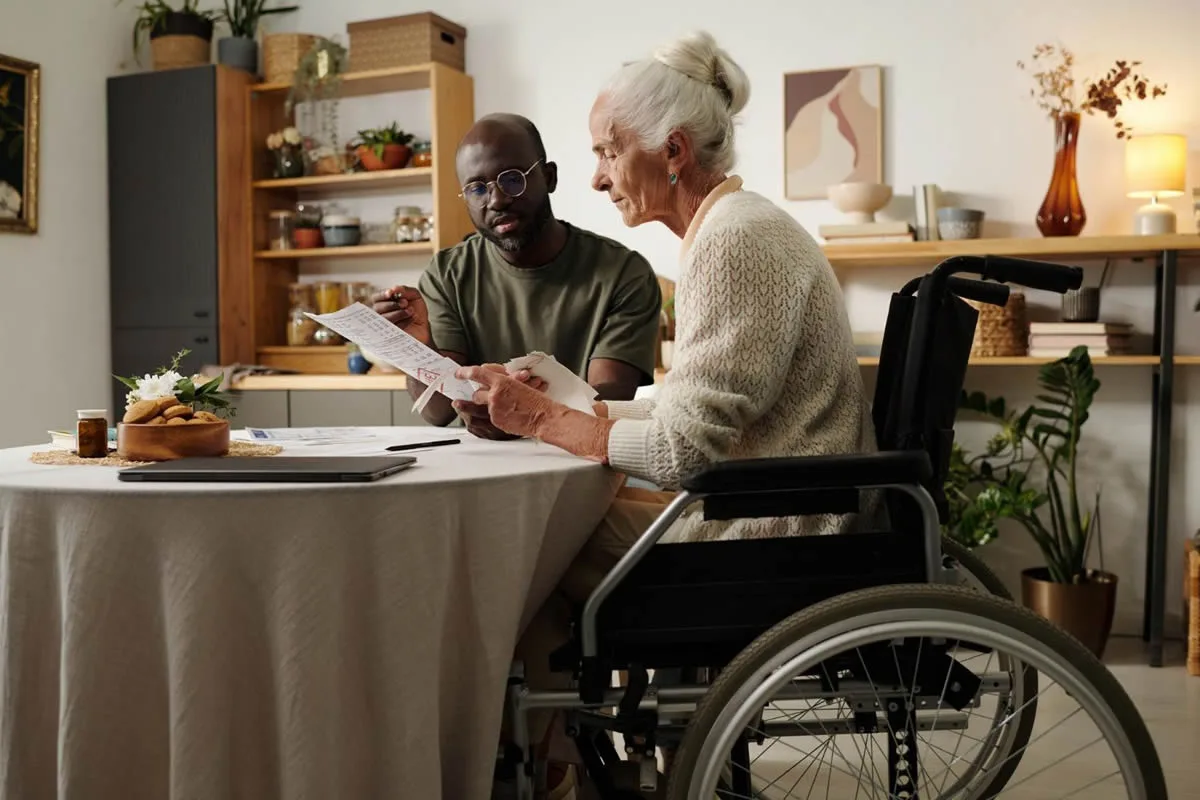
Plan with the person, not for them
People are often the experts in what works in their own lives. They know the equipment they need, the routines they prefer, what they can manage independently and the situations that could become difficult if services stop.
Before preparing a plan for someone else, ask what they want included and who they want involved. A useful conversation might begin with these questions:
- What already works well on an ordinary day?
- What changes if electricity, transport, communication or usual support becomes unavailable?
- Who could realistically help, and have they agreed to do so?
Where someone needs help to communicate or make decisions, provide that support in a way that respects their preferences and rights. The aim is a plan the person understands, agrees with and can use.
A free workbook to help make a plan that fits
Knowing that you should prepare is one thing. Working out where to start is another. Queenslanders with Disability Network (QDN) provides a free Person-Centred Emergency Preparedness (P-CEP) Workbook, co-designed with people with disability to support realistic planning for their individual circumstances.
The workbook breaks the process into four steps:
- Identify your strengths and support needs in everyday life.
- Understand how prepared you are and learn about local disaster risks.
- Plan how you will manage your support needs during an emergency.
- Discuss the plan with your support network and work together to address gaps.
Importantly, it does more than ask people to think about evacuation. It covers communication, management of health, assistive technology, personal support, assistance animals, transport, living arrangements and social connections. There are also spaces for contacts, services and important information.
P-CEP is designed to be worked through over time, not finished in one sitting. People can use the questions to identify what is already in place, what might fail during a disruption and what needs attention next. Review the plan as circumstances, services or living arrangements change.
What if regular care or support suddenly stops?
Imagine someone has their usual support arrangements working well. The morning routine is familiar, the equipment is maintained and the right people know when to visit. Then the regular carer is admitted to hospital, or a support worker cannot reach the house during a storm.
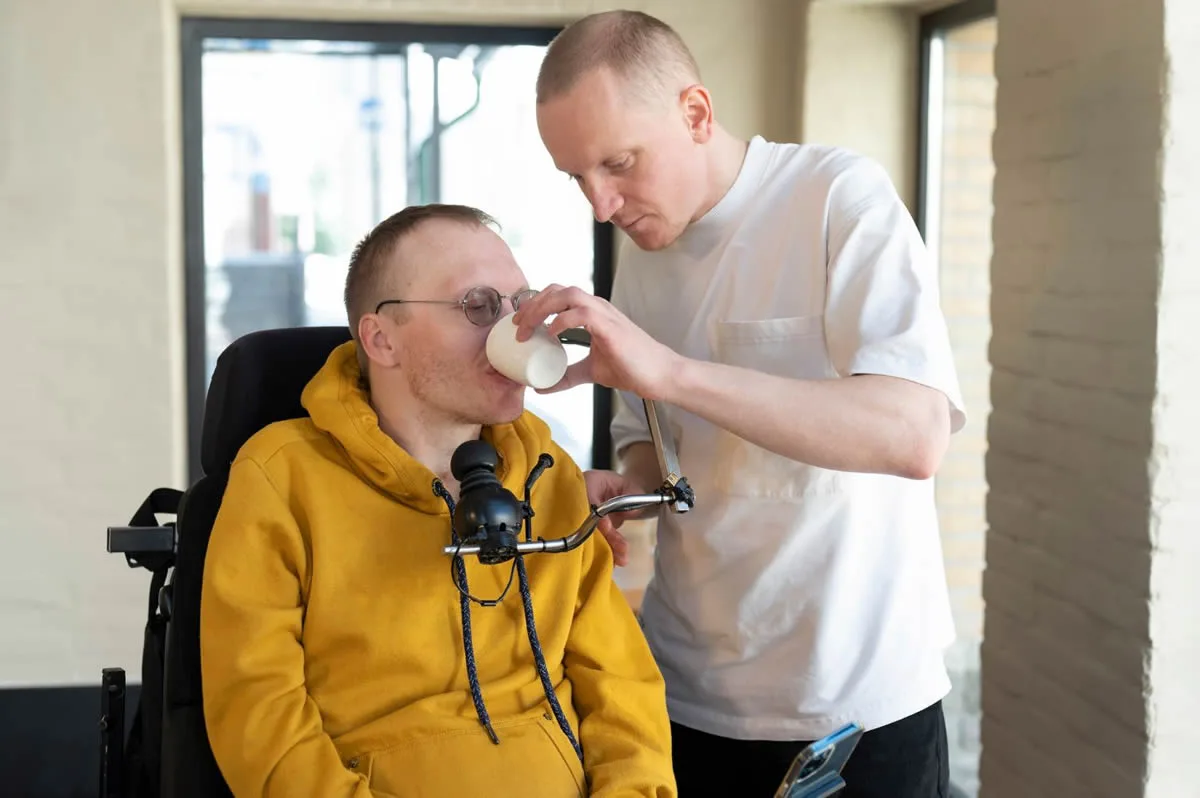
The person receiving care may be able to direct a replacement worker themselves. They may also want a family member, friend or provider to step in. Either way, the backup arrangement needs to be practical: who is available, what can they do and what information will they need?
This is where a little preparation can make a difficult day easier. Agree on one or two backup contacts, ask providers about service continuity arrangements, and record the essential instructions a replacement helper might otherwise have to guess.
The details that matter may be very ordinary — where equipment manuals are kept, how a preferred routine works, what supplies need ordering or whom to call if an appointment must be changed.
Record the details someone might not know
A useful record does not have to reproduce every document. Often its job is to point to the current information and explain what to do next. Depending on the person and household, that might include:
- Emergency contacts, chosen support people and backups, including what each person has agreed to do.
- Communication preferences, current care routines and where formal care instructions are kept.
- Medication lists, relevant practitioners, equipment suppliers and power or maintenance requirements.
- Transport arrangements, accessible places to stay and arrangements for assistance animals or pets.
- Household responsibilities that still need attention — children, essential services, recurring expenses and insurance contacts.
Check that the information is current. A phone number from three years ago or an assumed backup helper may be of little use when an emergency arrives.
Think about staying home and having to leave
The P-CEP Workbook asks people to consider both staying in place without usual services and leaving home for somewhere else. Those can be very different plans.
If someone remains at home, consider power-dependent equipment, medication storage, food and personal care supplies, communication and whether support can continue. If evacuation is needed, the questions change:
- Is the destination accessible?
- How will the person get there?
- Can essential equipment, medicines and assistance animals travel with them?
It is also worth checking local warnings and evacuation arrangements, rather than assuming a particular service will be available on the day. Discuss medically necessary backup arrangements with relevant practitioners and providers in advance.
Keep important information accessible — but consider privacy
An emergency file is no help if it is stored somewhere nobody can reach. Equally, not every helper needs access to bank accounts, passwords or private medical details.
Decide with the person concerned what should be immediately available, what can be shared with a trusted contact and what should remain restricted. Keep an offline copy of essential emergency instructions where appropriate, because internet and mobile services can fail.
Different people may need different information. A temporary helper could need care routines and contact numbers, while a nominated person may require access to additional records at a later stage. Make those arrangements deliberately rather than leaving everyone to work them out during a crisis.
Where broader personal affairs planning fits
The P-CEP Workbook already provides space for important contacts, household services, health details and other practical information. It is a substantial starting point for person-centred emergency planning, not merely a checklist.
But emergencies can also lead to wider responsibilities that continue after the immediate event. Someone may need to keep bills paid, locate insurance details, manage a household, coordinate care or find important documents while another person is in hospital. Those are broader personal affairs questions as well as emergency questions.
Disability-inclusive emergency planning and end-of-life planning are not the same task. Disability is not, in itself, an end-of-life issue. What connects these subjects is the value of having relevant information and wishes organised before other people need to rely on them.

Different Circumstances, Different Support Needs
People with disability have different living arrangements, levels of independence and support needs. Some manage their own affairs and may want a personal record of their whole life. Others receive ongoing care from a partner, parent, family member or provider, while still making decisions about their own routines, preferences and future.
The Handbook of Your Life® end-of-life planning kits bring legal, personal and practical information together for everyday organisation, unexpected illness and circumstances after death. Individuals can choose the kit that suits their household, while the optional Care Recipient Module provides more detailed space for daily care needs, preferences, routines and handover information. The module can be incorporated into a household Handbook or used separately, depending on the arrangement.
The optional 2DocLock™ Security System also provides a practical balance between accessibility and privacy, helping people share essential information while keeping sensitive details protected if needed.
Important Note: Neither the P-CEP Workbook nor a personal affairs record replaces current clinical instructions, an individual emergency plan or formal legal documents. Knowing where a legal document is stored does not, by itself, give someone authority to act for another person; formal arrangements may require professional advice.
Start with one realistic conversation
You do not need to finish every page of a workbook in a weekend. Start with one question: what would be hardest to manage if normal services stopped tomorrow?
Talk it through with the person concerned and the people they choose to involve. Make one practical improvement, record it, and move to the next. A plan becomes useful when it reflects real arrangements and the people involved know what they have agreed to do.
Frequently Asked Questions
Resources and Further Information
Disclaimer: This article is provided for general information and educational purposes only. It does not constitute legal, financial, medical or other professional advice. Information, statistics, legislation and external resources may change after publication. Readers are encouraged to verify information with current, authoritative sources, conduct their own research and seek qualified professional advice where appropriate.