
Some workplace injuries end a shift. Others change a life.
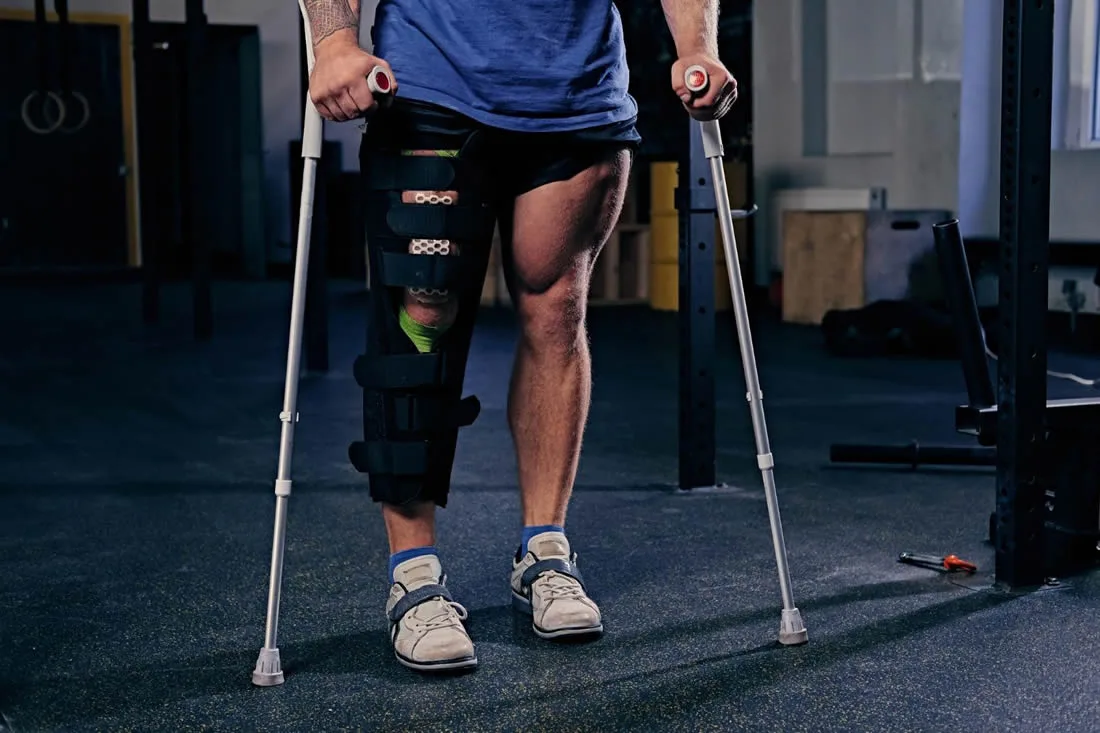
Recovery from a workplace injury does not always follow a predictable timetable. For some people, it means a short break from work. For others, it can involve months of treatment, rehabilitation, chronic pain, psychological injury or lasting changes to everyday life.
National Safe Work Month 2026 carries the theme “Safe work is for life”. Its focus on the long-term impact of workplace harm is a reminder that the effects of injury or illness may continue long after the initial incident.
Safe Work Australia recorded 147,200 serious workers’ compensation claims in 2024–25 (provisional data). Mental health conditions accounted for 12.2% of serious claims, with a median of 34.8 working weeks lost. Prevention must remain the priority, but when harm has already occurred, recovery planning matters too.
Recovery is not always a straight line
A formal rehabilitation and return-to-work plan can help coordinate treatment, duties, restrictions and goals. In Queensland, these plans involve the worker, insurer, employer and treating health providers.
But a return-to-work plan does not necessarily cover what happens at home. Someone may be ready for reduced hours but still unable to drive, lift groceries, manage fatigue or take on their usual caring responsibilities. Progress can also include setbacks.
That is why it helps to think about recovery as more than a return to the workplace.
Support changing capacity without taking over
An injury does not necessarily remove a person’s ability to make decisions. They may need help with particular tasks while remaining fully capable of managing other parts of their life.
Rather than assuming everything must be handed over, start with three practical questions:
- What can the person still manage independently?
- Which responsibilities need temporary help, and from whom?
- When should those arrangements be reviewed as recovery progresses?
Clear conversations can make support more useful while respecting the recovering person’s choices and independence.
Keep track when recovery becomes complicated
Appointments, medication changes, specialist recommendations and workplace restrictions can accumulate quickly. When several people are helping, important details may end up scattered across emails, messages and paper notes.
A running record can help keep track of:
- appointments, referrals and follow-up questions;
- treatments, medications and changes in symptoms;
- progress, setbacks and everyday limitations; and
- key contacts, supporting documents and agreed next steps.
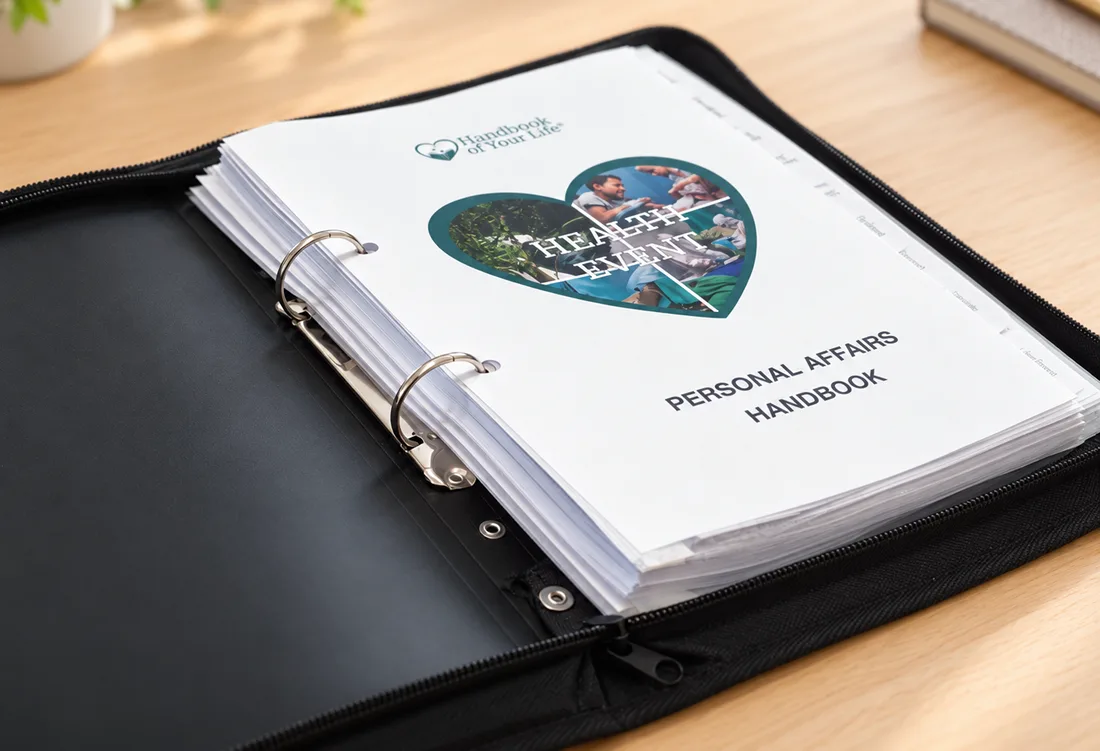
The Health Event Handbook Kit provides space for health profiles, contacts, household information and event records. Its Event & Progress section — or the standalone Event Tracking Module — can help document care and recovery as circumstances change.
When longer-term plans need to change
Some injuries result in lasting changes to mobility, employment, care needs or household routines. Practical arrangements may need to be reviewed more than once as circumstances become clearer.
It can also be a sensible time to check whether important legal and advance care documents remain appropriate. That might include an Enduring Power of Attorney or Advance Health Directive in Queensland, or equivalent arrangements in another state or territory.
A workplace injury is not automatically an end-of-life situation. However, health event preparedness and end-of-life planning share a useful principle: people should be able to find essential information, understand a person’s wishes and offer appropriate support when circumstances change.
Recovery may look different — and planning can adapt
For some people, recovery means returning to the same job and routines. For others, it means finding a new way to work, manage daily life or accept support.
Safe work practices aim to prevent that disruption in the first place. If injury does occur, good records, clear communication and flexible arrangements can help the person and those supporting them make decisions with greater confidence.
Frequently Asked Questions
Disclaimer: This article is provided for general information and educational purposes only. It does not constitute legal, financial, medical or other professional advice. Information, statistics, legislation and external resources may change after publication. Readers are encouraged to verify information with current, authoritative sources, conduct their own research and seek qualified professional advice where appropriate.