
Supporting Recovery, Family Responsibilities and Everyday Life After Stroke
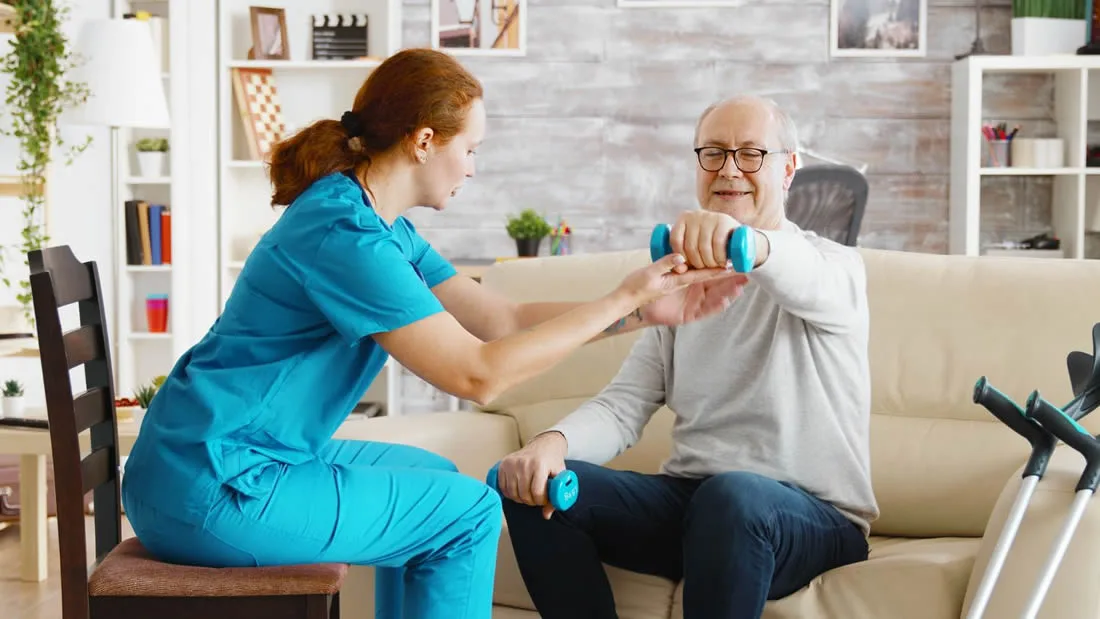
A stroke can happen without warning. One moment, life is following its usual routine. The next, a person and their family may be facing emergency treatment, rehabilitation and an uncertain road ahead.
For some people, recovery is relatively straightforward. For others, a stroke can bring lasting changes to movement, communication, memory, concentration or independence.
World Stroke Day, observed annually on 29 October, raises awareness about recognising stroke symptoms and the importance of urgent medical treatment. It also provides an opportunity to consider what happens afterwards — when individuals and families must adjust to changes in everyday life.
Because while someone is recovering, household responsibilities, appointments, finances and family commitments do not simply disappear.
Recognising a stroke: Acting FAST matters
Recognising the warning signs of stroke and seeking immediate medical assistance can save lives.
The Stroke Foundation recommends remembering the F.A.S.T. test:
- Face: Has the person’s face or mouth drooped?
- Arms: Can they lift both arms?
- Speech: Is their speech slurred, or are they having difficulty understanding you?
- Time: Call Triple Zero (000) immediately if you notice any of these signs.
Other sudden symptoms may include loss of balance, vision changes, numbness or a severe headache.
Even if symptoms disappear, urgent medical attention is essential, as they may indicate a transient ischaemic attack (TIA).
A suspected stroke is always a medical emergency. Seeking immediate treatment takes priority over locating records or making household arrangements.
Recovery affects more than physical health
Recovery after stroke is different for everyone.
Some people return to their usual activities relatively quickly. Others may require ongoing rehabilitation, assistance with daily tasks or adjustments to how they live and work.
Less visible effects, such as fatigue, memory difficulties and changes in concentration, can also affect everyday responsibilities.
A parent may temporarily struggle to manage school routines. Someone who previously handled household finances may need assistance. A person who cared for an ageing parent may suddenly require support themselves.
These changes can be challenging for the individual and the people around them.
Having practical information organised can make adjusting to new responsibilities easier.

When someone else needs to step in
Most households rely on information that exists only in someone’s memory.
One person may manage the bills, another may organise appointments, while a parent or carer keeps track of routines, medications and important contacts.
When illness affects someone’s ability to manage those responsibilities, family members may suddenly find themselves searching for answers.
Who are the regular healthcare providers? Which bills need attention? Where are important documents stored? Who can help with children, pets or other dependants?
These are everyday questions that can become overwhelming during a medical crisis.
Documenting the information beforehand means another person can provide practical assistance without having to reconstruct everything from memory.
How health event preparedness helps
Health event preparedness is about organising the information people may need during illness, treatment and recovery.
This can include:
- Current medications, allergies and healthcare providers.
- Important appointments, treatment information and recovery notes.
- Household bills, service providers and essential contacts.
- Children’s routines, care arrangements and other dependants’ needs.
- The location of important personal and legal documents.
- Health Event Handbook provides a structured place to record this information.
The Health Event Handbook Kit from Handbook of Your Life includes dedicated Health Profiles and an Event & Progress section for documenting appointments, treatment updates and recovery information. There is also a separate Event Tracking Module that can be added to our end-of-life planning handbooks range.
Its purpose is not to replace medical records or professional rehabilitation plans. It helps individuals and families keep the practical information needed to manage everyday life together.
Importantly, planning should support the recovering person’s independence and decision-making wherever possible.
Where end-of-life planning fits
A stroke does not automatically mean someone is approaching the end of their life. Many people recover and continue living active, fulfilling lives.
However, serious health events can remind families of the importance of having broader personal and legal arrangements in place.
End-of-life planning includes considering relevant documents such as a Will, Enduring Power of Attorney and Advance Health Directive, along with personal wishes and information loved ones may need.
Health event preparedness focuses on managing illness and recovery. End-of-life planning addresses circumstances involving death or decisions that may arise if a person loses capacity.
They serve different purposes but complement one another.
Recommended Reading: Advance Care Planning: Why It Matters for Every Australian

Planning ahead makes a difficult time easier to manage
Nobody can predict when a serious illness or medical emergency might occur.
But keeping essential information organised, identifying trusted support people and documenting everyday responsibilities can make a real difference when circumstances change.
A practical plan does not need to anticipate every possibility. It simply needs to help someone understand what matters, where to find important information and how to provide support when needed.
Information should also be reviewed regularly and kept accessible to authorised people, while passwords and other sensitive access details remain separately protected.
Planning cannot prevent a stroke or determine the outcome of recovery.
It can, however, reduce confusion and help families concentrate on what matters most — supporting the person experiencing the health event.
Frequently Asked Questions
Resources and Further Information
- World Stroke Organization – World Stroke Day 2026
Annual awareness campaign and stroke symptom recognition. - Stroke Foundation Australia – Signs of Stroke
F.A.S.T. warning signs and emergency response. - Healthdirect Australia – Stroke
Stroke symptoms, treatment and rehabilitation information. - Stroke Foundation Australia – Fatigue After Stroke
Information about fatigue, recovery and everyday functioning.
Disclaimer: This article is provided for general information and educational purposes only. It does not constitute legal, financial, medical or other professional advice. Information, statistics, legislation and external resources may change after publication. Readers are encouraged to verify information with current, authoritative sources, conduct their own research and seek qualified professional advice where appropriate.